 |
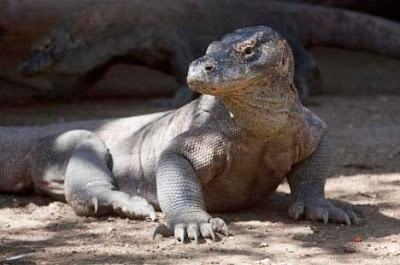
| Ten of the 17 dragons left on Flores Island are to be transplanted to Bali. (EPA Photo) |
Ignoring protests from environmentalists and Flores residents, the Ministry of Forestry on Tuesday said it would proceed with plans to move 10 Komodo dragons from Flores Island to a reserve on Bali.
Ministry officials said the move was a temporary measure to protect the Komodo dragons, an endangered species, and help them multiply.
There are about 2,500 Komodo dragons at their original habitats on Komodo and Rinca islands between Sumbawa and Flores islands, while only 17 were left in a nature conservancy in Wae Wuul, West Manggarai, in Flores, Forestry Minister Malam Sambat Kaban said.
“The number of Komodo dragons on Flores Island is cause for concern. Therefore we need to take care of them and help them to breed,” Kaban said.
“If we let them breed naturally, I’m afraid they will die out before they are able to breed. What’s more, the chances of a dragon hatchling living a full life would be very small.”
The Flores lizards are smaller than the ones found on Komodo Island, although they are from the same species.
The ministry issued a decree in May authorizing the relocation of five female and five male Komodo dragons from Flores to Taman Safari Indonesia in Bali, leaving the conservancy in Wae Wuul with only seven dragons.
Kaban said the dragons in Flores were entering human settlements and preying on goats because of their denuded habitat and the scarcity of local food stocks.
“They are cannibals. If they don’t have any food to eat, they will eat each other,” he said.
He questioned why people opposed the plan, saying it was aimed at saving the dragons.
After they had bred and the population had grown large enough, the giant lizards would be returned to their original habitat in Flores, he promised.
Still, the country’s leading environmental watchdog, the Indonesian Forum for the Environment (Walhi), opposes the plan. Agung Wardhana, director of the Bali chapter of Walhi, argued that it would have negative environmental and social ramifications.
The plan has also drawn protests from West Manggarai residents who fear that it would hurt the district’s tourism prospects.
About 30 students from the Indonesian Muslim Students Association recently rallied in Mataram, West Nusa Tenggara, to protest the plan, the state-run Antara news agency reported.
“Why must they be moved to Bali? Why aren’t they bred at their habitat? As rare animals, the Komodo dragons can only live in their habitat,” one of the protesters, Syaiful, was quoted as saying.
Kaban said the safari park in Bali would bear the substantial cost of moving and caring for the dragons.
Although he did not estimate the costs, Kaban cited a case in which five tigers had been transported from Aceh to Lampung at a cost of Rp 2.8 billion ($283,000). (Arti Ekawati)
Sumber: The Jakarta Globe, 28/07/2009
Label: kabar kabari, komodo, lingkungan hidup


